Refinishing historic windows and doors is a craft that blends preservation, artistry, and deep woodworking knowledge—an increasingly rare combination in the modern construction world. Unlike mass-produced contemporary building materials, historic architectural elements were crafted by hand from old-growth wood, with joinery and details that reflect the skill of the artisans who made them. Restoring these pieces offers woodworkers the opportunity to work with materials and craftsmanship not often found today. Yet this work is becoming a lost art. It requires not only patience and talent, but also specialized training, traditional tools, and a thorough understanding of historic building techniques to ensure that these windows and doors remain structurally sound and true to their original character.
Refinishing Historic Windows
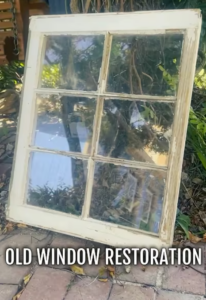 The process of refinishing historic windows begins with careful assessment. Old sash windows, for example, contain mortise-and-tenon joints, wooden pulleys, weighted counterbalances, and hand-cut glass that must all be treated with extreme care. Removing layers of old paint, repairing damaged rails or stiles, and rebuilding deteriorated sections all demand precision. A skilled craftsperson must know how to strip finishes without damaging wood fibers, how to replicate original molding profiles, and how to splice new wood seamlessly into old frames. Many of these tasks involve tools and methods that are rarely used in modern carpentry—such as specialized scrapers, steam boxes, period-correct chisels, and custom-made knives for matching trim.
Historic Doors Vs Windows
Restoring historic doors requires equal skill. These doors often feature intricate panel construction, raised moldings, and hardware that has survived for decades or even centuries. Refinishing involves more than sanding and repainting; it may include repairing cracked panels, reinforcing joints, stabilizing water-damaged wood, and carefully preserving original hardware. Craftspeople who specialize in restoration understand the value of retaining as much original material as possible, choosing conservation over replacement whenever feasible. This commitment to authenticity is what sets true restoration apart from simple refurbishment.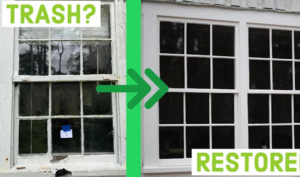
Proper Sealing & Weatherproofing
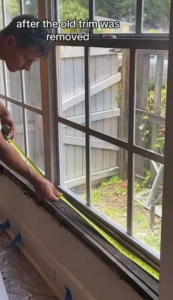 One critical aspect of maintaining the functionality and energy efficiency of restored windows and doors is proper weather sealing. In heritage buildings, traditional solutions are not only preferred but often required to maintain historical integrity. This is where spring bronze weatherstripping becomes essential. Spring bronze is a thin, flexible strip of bronze that is nailed along the edges of window sashes or door frames. Unlike modern foam or adhesive seals that can deteriorate quickly or interfere with the movement of historic components, spring bronze forms a durable, long-lasting seal that gently presses against the sash or door as it closes. It significantly reduces drafts, rattling, and energy loss while preserving the original operation of the window or door. Additionally, it blends seamlessly with vintage hardware and finishes, making it a preferred choice among restoration professionals.
Refinishing historic windows and doors is a rewarding endeavor that preserves the craftsmanship of the past while improving the performance of these architectural treasures. For woodworkers, it offers a chance to engage with a level of detail and artistry rarely found today. Although the craft requires specialized knowledge and a commitment to traditional methods, the results—renewed beauty, improved functionality, and preserved history—make the effort invaluable.