Craft woodworking and craft beverages have always shared a kindred spirit: an appreciation for quality, character, and the handmade touch. As breweries, bars, and restaurants compete to stand out, custom woodworking has become a powerful way to add warmth, personality, and a premium feel to the customer experience. From the tap wall to the tabletop, skilled woodworkers are finding a thriving market in the food and beverage world.
Custom Beer Tap Handles
Perhaps the most visible intersection of woodworking and beverage culture is the custom tap handle. A generic plastic handle says nothing, but a hand-turned wooden one tells a story. Breweries are commissioning tap handles carved from walnut, maple, oak, and reclaimed wood to reflect their brand identity. Some incorporate burned-in logos, resin inlays, or unique shapes that double as conversation pieces. For a small brewery, a distinctive tap handle is affordable branding that customers literally reach toward, and woodworkers who can deliver clean, durable, eye-catching designs are in steady demand.
Flight Boards and Serving Pieces
 The beer and spirits flight has become a staple of the tasting experience, and the board it’s served on matters more than you might think. Custom flight boards, often made from hardwood with precisely routed holes for glasses, give a tasting a polished, intentional presentation. Woodworkers are expanding into charcuterie boards, serving paddles, bottle openers, coasters, and menu holders, all opportunities to match a venue’s aesthetic. Personalization is key here: engraved logos, custom dimensions, and matching wood finishes turn a simple board into a branded signature piece.
Customizing Coolers for a High-End Look
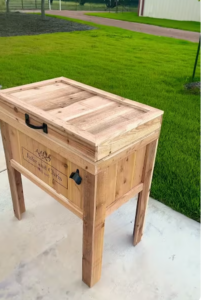 One of the most creative areas of crossover is cooler customization, and this is where budget-conscious creativity really shines. A basic, inexpensive cooler is a blank canvas. With a custom wooden wrap, a hinged cedar or oak lid, or a slatted exterior, cheap coolers can be transformed into a piece that looks like a high-end, boutique product, at a fraction of the cost. Woodworkers are building wooden cooler housings, adding bottle openers and built-in caps catchers, and even integrating cutting-board lids for outdoor entertaining.
The trick is starting with a functional, affordable base and elevating the parts people see and touch. A simple cooler dressed in handsome woodwork reads as rustic, premium, and intentional, perfect for breweries selling branded merchandise, event venues, or homeowners who want patio-worthy style without a luxury price tag. Pairing that upgraded cooler with reusable ice packs keeps the interior just as impressive as the exterior, maintaining cold temperatures for hours without the mess of melting ice.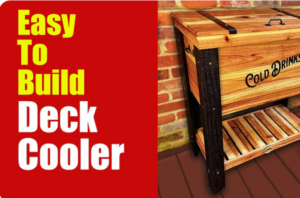
The Opportunity for Woodworkers
For woodworkers looking to expand their business, the food and beverage industry offers steady, repeatable work with built-in marketing: every piece is on display in a public space. By blending craftsmanship with branding, woodworkers can carve out a profitable niche. Whether it’s a single tap handle or a full bar buildout, the marriage of wood and beverage is a partnership built to last.
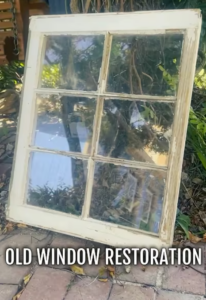 The process of refinishing historic windows begins with careful assessment. Old sash windows, for example, contain mortise-and-tenon joints, wooden pulleys, weighted counterbalances, and hand-cut glass that must all be treated with extreme care. Removing layers of old paint, repairing damaged rails or stiles, and rebuilding deteriorated sections all demand precision. A skilled craftsperson must know how to strip finishes without damaging wood fibers, how to replicate original molding profiles, and how to splice new wood seamlessly into old frames. Many of these tasks involve tools and methods that are rarely used in modern carpentry—such as specialized scrapers, steam boxes, period-correct chisels, and custom-made knives for matching trim.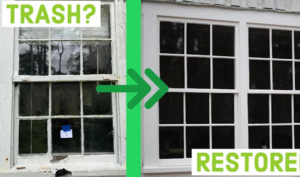
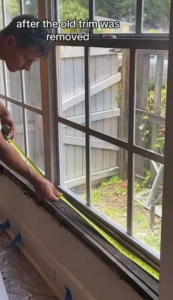 One critical aspect of maintaining the functionality and energy efficiency of restored windows and doors is proper weather sealing. In heritage buildings, traditional solutions are not only preferred but often required to maintain historical integrity. This is where spring bronze weatherstripping becomes essential. Spring bronze is a thin, flexible strip of bronze that is nailed along the edges of window sashes or door frames. Unlike modern foam or adhesive seals that can deteriorate quickly or interfere with the movement of historic components, spring bronze forms a durable, long-lasting seal that gently presses against the sash or door as it closes. It significantly reduces drafts, rattling, and energy loss while preserving the original operation of the window or door. Additionally, it blends seamlessly with vintage hardware and finishes, making it a preferred choice among restoration professionals.
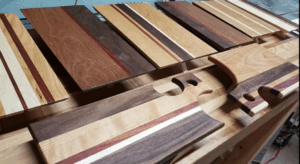 One major reason charcuterie boards have become so popular is the degree of customization they offer. Customers can choose the wood species, board shape, handle style, finish, and decorative elements to create something entirely personal. Some woodworkers engrave names, family crests, meaningful quotes, or monograms into the surface, making the board not only functional but deeply sentimental. Resin accents are another modern trend, where translucent or colored resin fills natural cracks or is poured into carved recesses, enhancing the board with rich visual contrast. Because charcuterie boards can be designed in almost endless combinations, they have become highly sought after for holidays and gift-giving. Whether for Christmas, Thanksgiving, or housewarming events, a handcrafted board is both memorable and practical, offering a personal touch that mass-produced kitchenware cannot match.
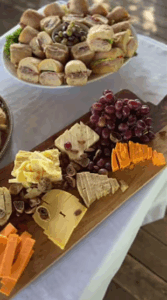 Their popularity also stems from how universal and enjoyable charcuterie boards are to use. They encourage communal dining, the presentation of fresh ingredients, and the visual appeal of a well-arranged spread. Charcuterie boards are primarily used to serve assortments of meats, cheeses, fruits, nuts, spreads, and breads—the classic elements of appetizer and grazing platters. They are especially associated with Italian-style antipasti, which often include cured meats like prosciutto and salami, soft and firm cheeses such as mozzarella or pecorino, marinated olives, roasted peppers, artichokes, bruschetta toppings, and crusty sliced bread. The rustic elegance of
 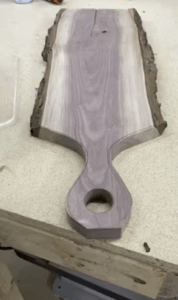 Beyond functionality, charcuterie boards have become statement pieces in the modern kitchen. Many people display them permanently on countertops or open shelves as decorative elements that showcase natural wood’s warmth and beauty. Some owners collect multiple boards in different shapes and sizes—round, paddle, rectangular, or free-form—each suited to specific serving needs. This blending of art, utility, and culinary culture is what makes charcuterie boards special. They represent time-honored craftsmanship combined with contemporary dining trends, and their adaptability ensures they remain a staple during the holidays and beyond. Whether used for Italian appetizers or a creative assortment of modern flavors, charcuterie boards add a sense of occasion and artistry to every meal.
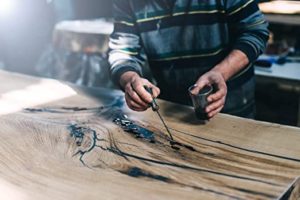 Just consider for a moment the river tables that are so popular right now. These tables use epoxy to hold together a slab or two of wood that may never touch each other. Epoxy itself is clear, but you can add pigments to it to get a more desirable color if you want to.
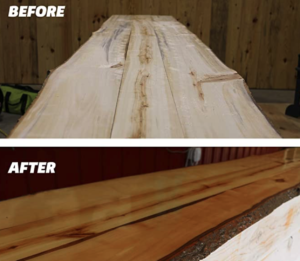 To start, you will need to pick your wood and prep it. This may involve cutting and sanding the wood. You will also want to build a dam around the edges to prevent epoxy flow off of it (especially if you want to deep pour).
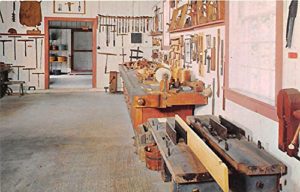 Woodworking is a broad term that encompasses a lot of projects that involves wood, but most people who hear the term “woodworking” feel that it is creating wooden plaques or designing beautiful shelving units. The woodworker is often credited for furniture and cabinetry. There is a lot of those type things done in a workshop, but you can also take your talent outdoors where you create other types of beautiful wooden items. For instance, by opening up your mind to the possibilities, you can create custom decks for your above ground pool like this site, a dock down by the river, or a gazebo that is more beautiful than any of your neighbors have ever seen. It may sound like things that someone would do if they were a carpenter, but you can do anything if you set your mind to it and in the end; if you can dream it-it doesn’t matter what you call yourself.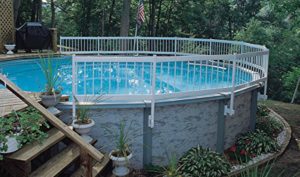
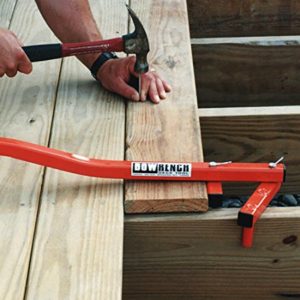 Construction is often done in a residential or a commercial setting. The carpenter may build staircases, erect walls, and ensure that the window openings are the same size as the window will be. A woodworker can be on a construction crew, but they may be confined to building cabinets, shelving units, and other decorative things for the home or office that they are working on. A carpenter can read blueprints and though there are some blueprints available for the woodworker; they are not as specific. Both the carpenter and the woodworker will need the same types of tools. They will both rely on their creativity and skills. They will both need saws to get the job done and know how to measure out wood to lessen mis-cuts.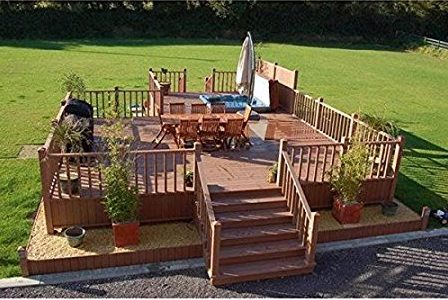

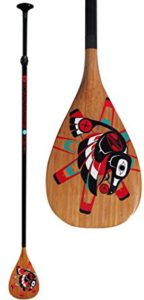 Wooden canoes were first created back when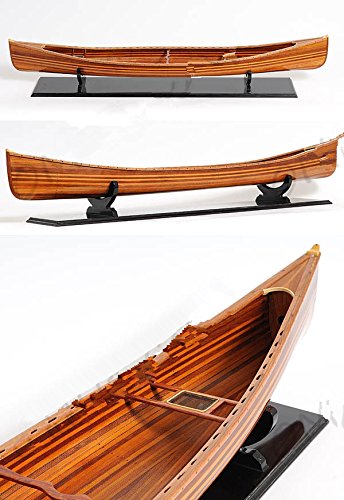
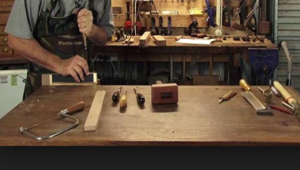 Long time woodworking enthusiasts. There is no better way to share the craft then to share it with others. The best way to learn a craft is to teach it to others. Therefore, taking the time to teach others the beautiful world of wood working is a passion.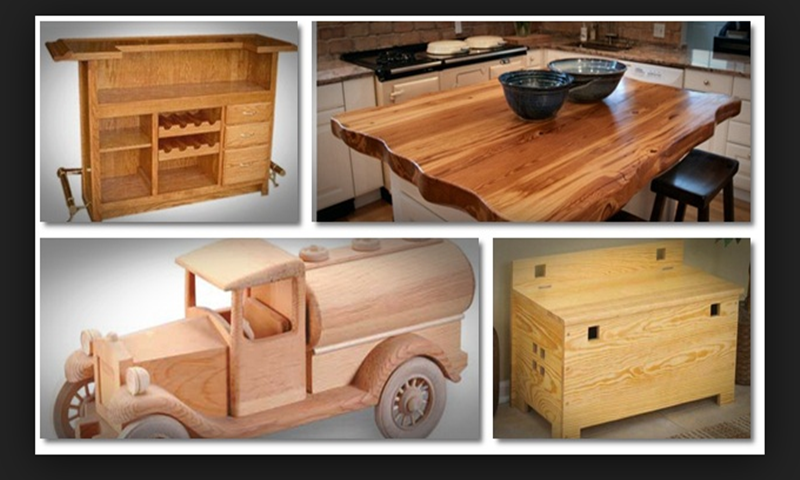
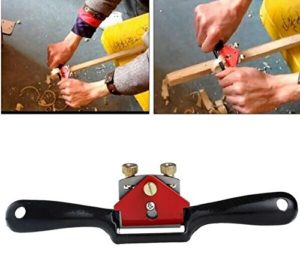 The tools you have on hand will determine the amount of space that you need. A generator, a table saw, and a tool box for hand tools will most likely be some of the largest things you have in it, but you may also want to have a worktable that is large enough for you to work on. In most cases, people spend a lot of time at their workbench and use it for a variety of things. Smaller is not always better in a work bench, but it depends mostly on the types of woodworking you hope to do.
 Most every woodworking shop will end up with saw dust flying at one time or another. You can lessen the risk of this happening if you have a dust collection system. By collecting dust before it ends up on your floor, you will not have to worry as much about the air you are breathing within your shop. It will also ensure that there is less risk of sparks igniting, people slipping on the floor, or you losing that handy little tool that you use on virtually all your woodworking projects. It will keep the shop cleaner as an added bonus. If you have a potential customer coming in to see the projects you have completed, your shop will look more appealing to them and you will feel better about showing off where you work. Best of all, a